
Cumberland County Current Owner Fields
The Commissioner keeps the annual real-estate land book and a public property-card search. A single card can carry a lot. It may list the owner of record, mailing and situs details, the parcel key, land and improvement facts, and the value. A sketch or photo may appear as well. Labels are not fixed. Some sit behind a frame-based interface, so read what the current parcel result actually displays. Remember that the tax owner is simply who the county lists for assessment. It is not a full title answer.
| Owner of record | The name carried in the assessor's card or annual land book. |
|---|---|
| Mailing address | Where the county sends notices; this may not be the parcel location. |
| Situs address | The physical location when shown on the card. |
| Parcel or map ID | The key to compare with the tax ticket, map, and deed. |
| Assessment and improvements | Value and property facts, with sketch or photo if available. |
| Recorded deed | The Clerk's instrument is the transfer evidence to compare. |
The owner field says nothing about who occupies a building. A mailing address is a notice destination. It is not proof of residence. The county's property-card access notice warns that information may be incomplete or in transit and carries no warranty.
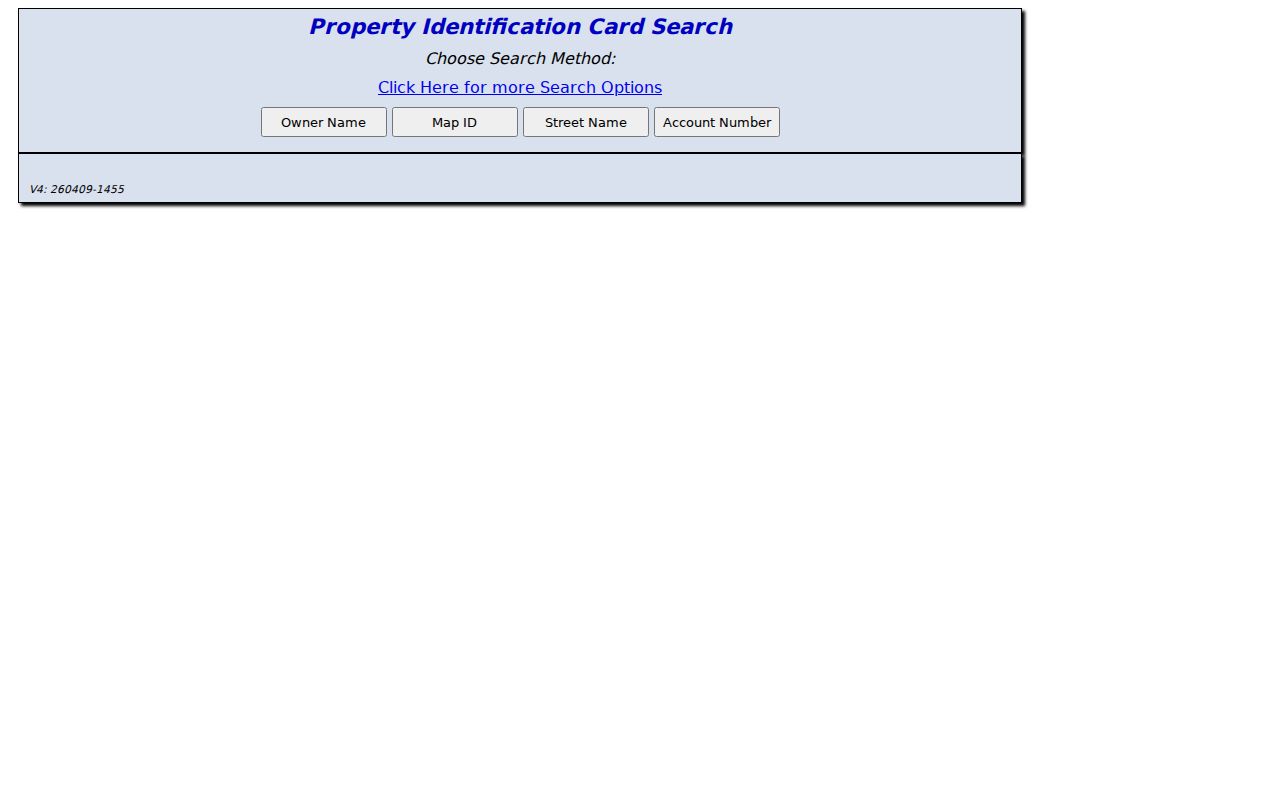
Start with the card; confirm transfers with the deed.
Confirm the Current Cumberland County Owner
Confirming the roll name means moving from the card to the newest deed. Make sure it covers the same parcel. Start in the grantor-grantee index. Search it by the current card name. Then compare the grantee, instrument date, and recording reference against the card. Do the same for the legal description and map number. Remote access through the county's SRA route reaches back to March 25, 1988. Full images require Clerk-authorized access. Read the card and deed together whenever a closing is recent.
- Read the owner and map ID on the current Commissioner's card.
- Search the Clerk's land index for the newest deed naming that grantee.
- Match the legal description and prior-instrument details to the same parcel.
- Note the recording date and the land-book year separately.
- Owner of record
- The name the assessor carries for taxation on the annual roll.
- Vesting
- The way the deed names the parties who receive an interest.
- Registered agent
- A state-filed contact for an entity; not necessarily an owner or occupant.
Why a Cumberland County Owner Record Lags
The annual land book rests on January 1. Cumberland County says deeds, transfers, surveys, and wills reach the Commissioner weekly. Still, a purchase after New Year's Day may not show the buyer on that year's book or bill. The live card updates on its own schedule. The county promises no precise refresh time. The owner-timing notice describes this following-year lag, so keep the assessment year and the deed recording date as separate facts.
A seller can stay on the bill for a while. Before concluding the county missed the transfer, compare the newest recorded deed.
Cumberland County Deed Feed and Land Book
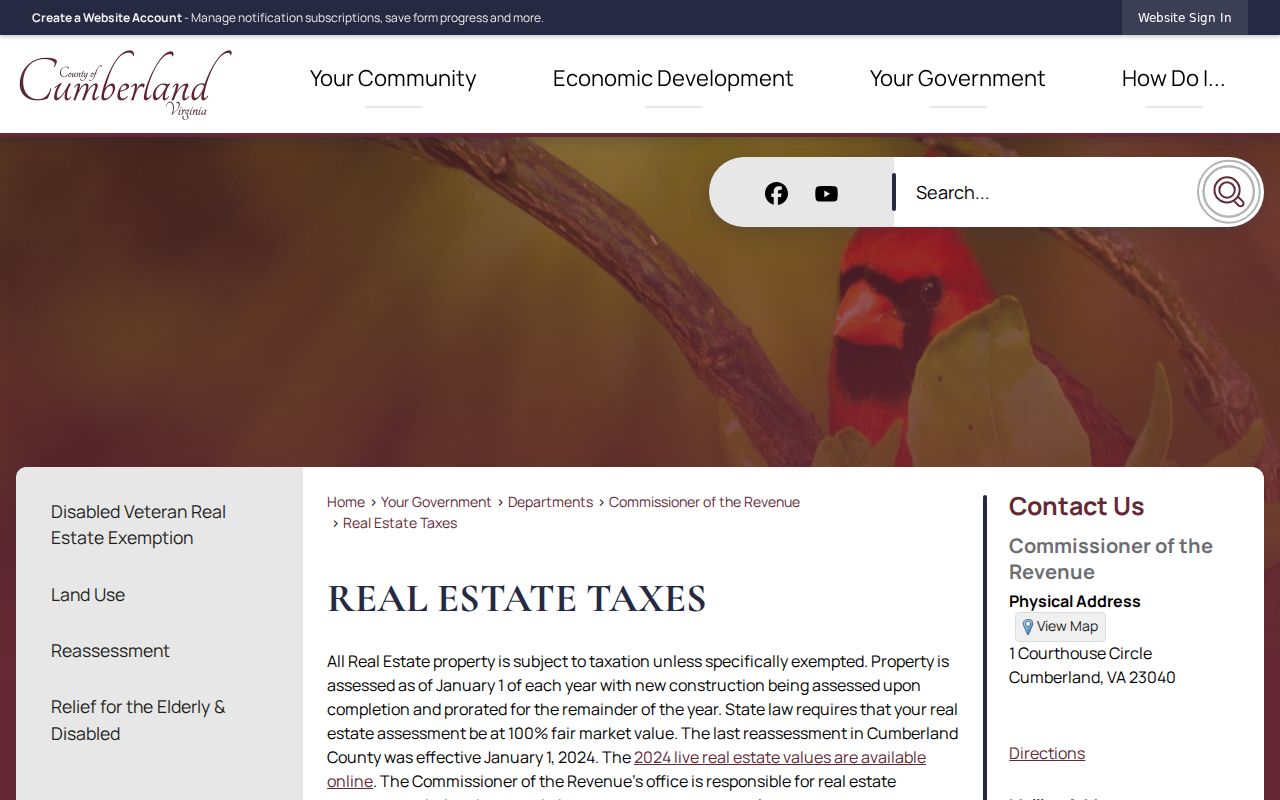
Deeds, transfers, surveys, and wills flow to the Commissioner weekly, according to the county. That feed keeps the assessor's working data fresh. It does not change the land book's January 1 basis. A deed filed after the assessment date can therefore be the newer ownership evidence. The tax document may still name the prior owner. This is timing, not error.
After a recent closing, write down the deed's instrument date, its recording date, the parcel ID, and the year on the tax record. That gives you a time-stamped comparison. It does not prove one office is wrong. The Clerk stays custodian of the recorded conveyance. The Commissioner remains the source for the assessment roll.
The weekly transmission explains why a working assessment record can hold newer material than the annual land book. It is no promise that a property card refreshes on a given weekday. Keep the recorded instrument and the assessment year as separate citations in any owner note.
Cumberland County Situs and Mailing Names
An owner card keeps two addresses apart. One line is the mailing address. The other is the property's situs. The mailing line tells you where notices go. It might be a PO Box or a company's office. The situs points to the land itself. A postal city like Farmville can even appear on a Cumberland County parcel. That parcel sits at the county edge. So the mailing city never decides which Clerk records the deed.
Match the owner record to the right tract. Use the tax map number and legal description. If a street address misses, try the owner or map ID instead. The county's 2025 cover-sheet sample shows why. It ties a Cooks Road address, Farmville ZIP, Randolph District, and `099-A-22` onto one recorded document.
Trust, Estate, and Company Owners
Not every owner is a person. The current deed may vest an interest in joint owners, a trust, an estate fiduciary, or a company. Read the grantee wording on the newest instrument first. Entity filings can add context. The Virginia SCC's Clerk's Information System provides business records, but a registered agent is not automatically a parcel owner or occupant. A probate file may explain an executor or administrator deed.
Rely on the land instrument for the ownership record. Treat entity files as a separate aid. Do not infer personal ownership from a shared surname, a registered-agent address, or a mail drop; the broader method appears in who owns a Cumberland County property.
Newest Recorded Cumberland County Deed
When the assessment card lags behind a recent transfer, the recorded instrument tells the fuller story. Cumberland remote land-record access begins March 25, 1988; index-only SRA access may be enabled, while images require a Clerk-authorized subscription. Search the current owner's name as grantee. Then compare the parcel description, prior instrument, and map number.
The deed-records route covers the access channels in detail. If an image will not open remotely, write down the book and page or instrument number and ask the Clerk about the current copy process. This page concentrates on the owner name as it stands now, not on rebuilding the earlier chain of title.
Read each role with care. The grantor conveys the stated interest; the grantee receives it. A deed may also name a trustee, executor, spouse, or another party in a specific capacity. The latest grantee is a strong ownership clue for that described interest, while the assessor name is the county's taxation entry; neither one alone establishes occupancy or rules out later recorded interests.
The land-record office sits at 1 Courthouse Circle, P.O. Box 8, Cumberland, Virginia 23040, open weekdays from 8:30 a.m. to 4:30 p.m.; arrive before 4 p.m. for land transactions. Ask about current copy and certification charges before requesting a document.
Reaching a Cumberland County Property Owner
A mailing address on a tax record is a place to send notices. It is not permission to track someone down. Any contact should follow the published path. It should also stay tied to the land, a transfer, or a tax record. Keep in mind that the owner line says nothing about who actually lives at the property. State privacy rules also narrow what voter and vital records can reveal. They limit what those sources show about a Cumberland County owner of record.
Lawful use. Use Cumberland County ownership details for a property, title, or tax question. Do not use an owner name or mailing address to stalk, threaten, or harass anyone.