
Find Who Owns a Cumberland County Property
Two county records work best together. Feed an address or tax map number into the e-Commissioner property-card search first. Read the owner field, mailing address, and parcel description. Then run that name as grantee in the Circuit Court Clerk's land index. The newest recorded deed proves the transfer. A GIS map label helps you spot the parcel, but it is not the instrument that conveys title.
- Locate the parcel in the Commissioner's card search by address, owner name, or map number.
- Copy the owner, mailing address, situs, map ID, and legal description exactly as displayed.
- Search the latest deed by grantee and compare its description and recording reference with the card.
- If a company name holds title, check its state filing for entity context, not as a substitute for the deed.
The county's property-card access notice explains the limits attached to the assessment information.
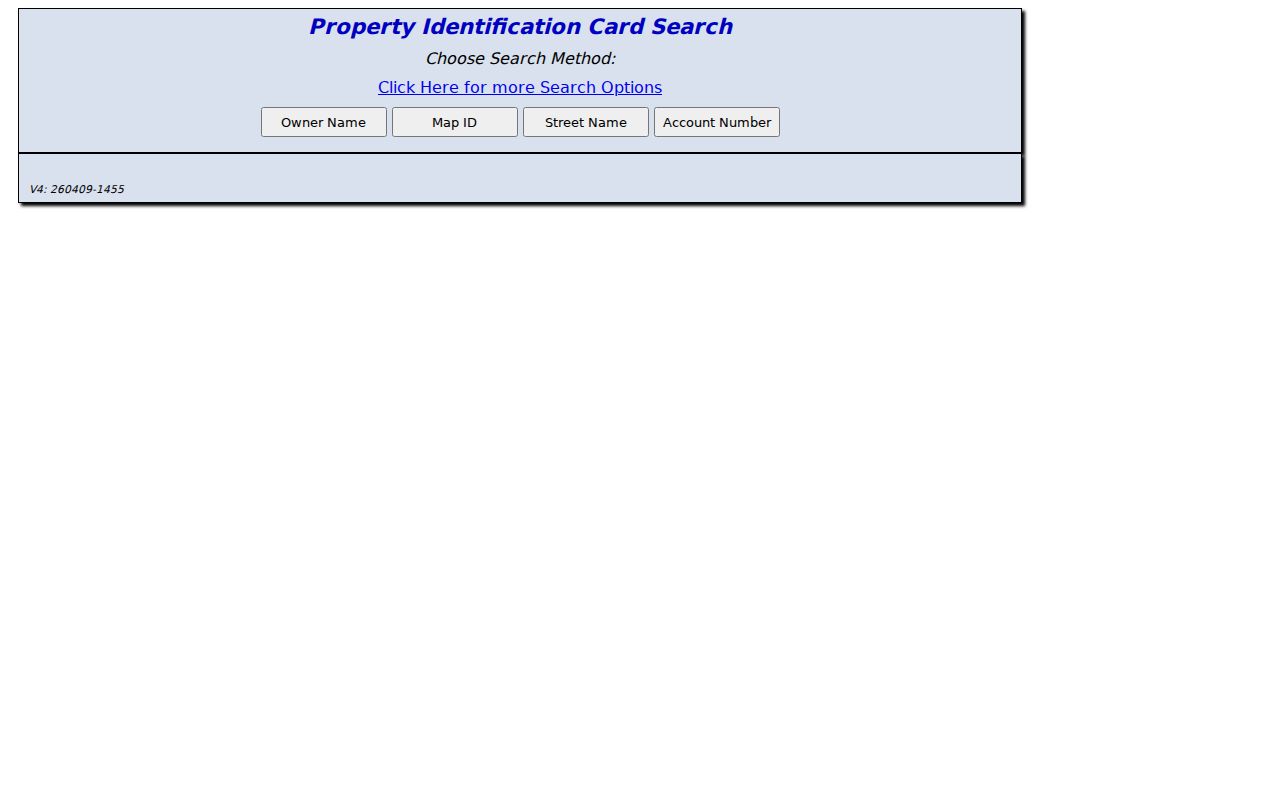
Accept the notice, then verify with the Clerk's recorded deed.
Where Cumberland County Ownership Appears
Ownership clues sit in three places. The property card names the tax owner. The deed names the grantee who received an interest. A plat or map points back to the parcel identifier. Which source matters depends on your question, since an entity filing can explain a corporate name and a probate file can explain an estate transfer. No single document gives the whole ownership history.
| Source | Owner Info It Gives | Access |
|---|---|---|
| Commissioner property card | Tax owner name, mailing and situs clues, parcel facts, value, and improvements when shown. | Public online card; disclaimer applies. |
| Circuit Court deed index | Grantee and grantor named on a recorded land instrument. | Remote index may be enabled; images require authorized access. |
| Virginia SCC filing | Entity status, registered agent, and filing context for a business owner. | State Clerk's Information System. |
| County GIS | Map context and a parcel key, subject to county accuracy terms. | Public viewer; not authoritative for title. |
The owner of record is not always the occupant. Public property records name the parties and addresses kept for tax and title purposes. They cannot tell you who lives inside a house. The current owner record page explains how the assessment field is timed, including the land-book update issue.
Keep good notes. Record the source name, the land-book or instrument year, the map ID, and the legal description together. That bundle separates two people who share a name. It also separates two parcels owned by one company. A tax-card mailing address can route a notice, but it is not proof the named party lives there.
Cumberland County Owner Names Can Lag
Cumberland's land book resets each January 1. Deeds, transfers, surveys, and wills reach the Commissioner weekly. Buy in March, and that year's book may still name the seller. The tax bill can lag the same way. That gap is why the owner card and the newest deed can disagree. Compare the deed's recording date with the tax year first. Only then trust the roll name.
The deed is the confirmation step. The assessor field still matters as the county's tax owner. No office promises a refresh date. So tag each search result with its source and date rather than assuming the annual record has caught up.
A post-January buyer can hold a fresh deed while the annual ticket still names the seller. Set the recording reference beside the assessment year and parcel description. Title questions call for the later recorded instruments. The weekly feed is not a title update.
When an Entity Owns Cumberland County Land
A Cumberland deed may name an LLC, corporation, trust, or estate instead of a person. That entity is the grantee. A state entity filing adds context on legal status, registered agent, principal office, and filing history. It does not prove the agent owns the parcel. Nor does it replace the land instrument itself. The Virginia SCC Clerk's Information System is the state route for entity and UCC filings. Search by the live system's own labels.
Use the entity result to decode the deed name. Then return to the Clerk's recorded instrument, which carries the actual property transfer.
Mailing Address Is Not the Parcel
The assessor keeps two addresses apart. One is the situs, where the land actually sits. The other is the owner's mailing address, which may be a PO Box, attorney, lender, trustee, or corporate office. Anchor the search in the parcel number and legal description, since an old road name or rural route often fails an address lookup.
Cumberland's ZIP geography adds confusion. ZIP 23901 can list Farmville as the mailing city for land outside town. ZIP 23027 belongs to Cartersville. Postal labels never move a parcel to a different recorder or assessor. Check the county line before sending a title request.
Estate and Probate Ownership in Cumberland County
Death changes the paper trail. A will, a fiduciary appointment, an executor or administrator deed, a partition case, or a later transfer can each explain who holds the land now. Wills and land records often cross-reference each other. Cumberland's Circuit Court Clerk files wills and court order books right alongside the land records. Search the deceased owner's name first. Then scan the grantee index for likely heirs or executors. Match the legal description and map reference before trusting a shared surname.
A death certificate is no substitute for a deed. Virginia restricts certified vital records before the statutory opening period. A probate file can contain sealed or protected details. Follow the property through the Clerk's land and probate records instead. Request only what you are eligible to receive.
An executor or administrator is not a personal owner. Follow the capacity written in the deed and the court authority behind it. A will or probate order explains why a later conveyance was made. The recorded deed identifies the instrument that moved title. Keep the parcel description in view throughout. Estates often hold several tracts. A shared surname alone never ties one probate file to one address.
Confirm the Name on a Cumberland County Deed
The decisive check is the newest recorded deed. It should run to the person or entity named on the assessment card. Remote land-record access begins March 25, 1988. Earlier books and indexes may require the Clerk or archival microfilm. Search the grantor and grantee sides. Then compare the parcel description, prior-instrument reference, and recording details.
If the deed image is unavailable, note the book and page or instrument number. Ask the Clerk about the current copy process. The Cumberland County deed-record procedure explains remote access, historic sources, and identified copies.
One instrument proves a named grantee received the interest it describes. It cannot settle whether later liens, releases, judgments, or conveyances affect the tract. Find the newest deed first. Note the scope of what was searched. A full title examination may take more records. It may also take professional review beyond what a county assessment card offers.
Limits of a Cumberland County Owner Search
A tax roll name is only a starting point. It is not a title opinion. Cards can lag a recorded sale. A legal description may place a nearby address on a different tract, and an entity name can stand between a person and the land. Virginia also restricts access to some voter, vital, and protected-address records. Never infer a residence or expose a protected person's location from a mailing record.
Lawful use. Use Cumberland County owner information for property due diligence, title research, and civic inquiry. Do not use a name or mailing address to stalk, threaten, or harass anyone.